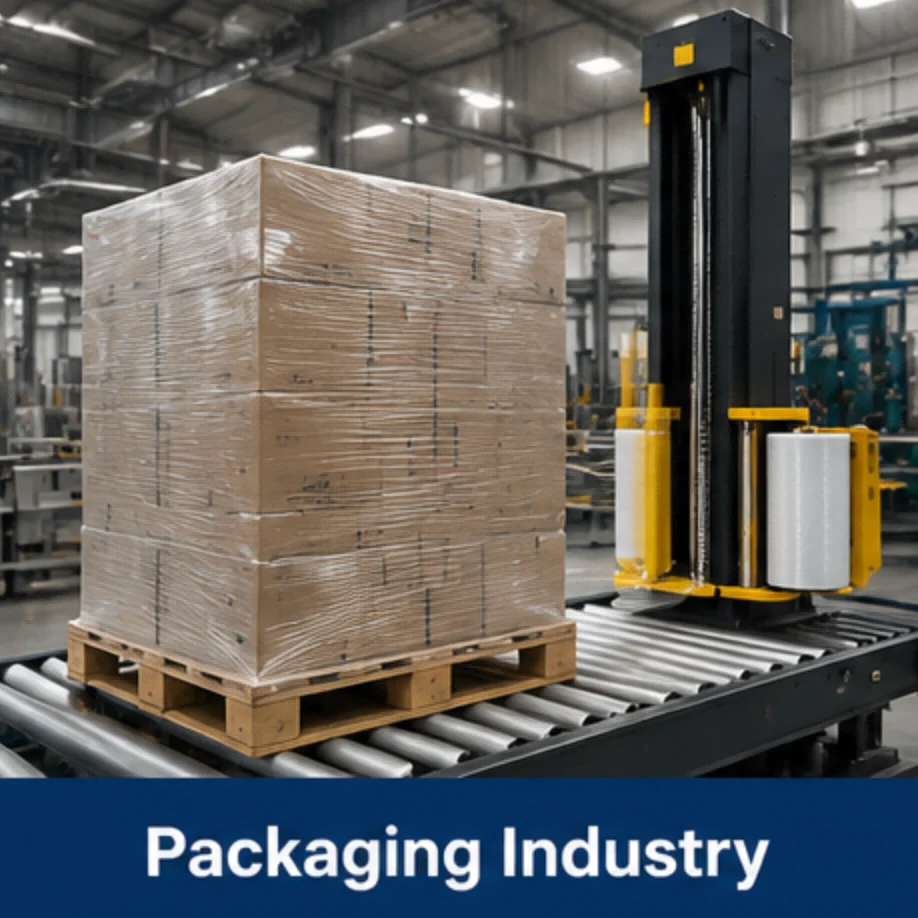
 01
01Packaging Operations
Repeatable end-of-line protection for palletized products and daily shipping loads.
Common challengeInconsistent hand wrapping, variable film use, and unstable outbound loads.
Recommended starting point
Different industries create different load-stability, handling, packaging, and waste-processing challenges. FYXFER starts with the operating problem, then recommends a practical wrapping or shredding solution.
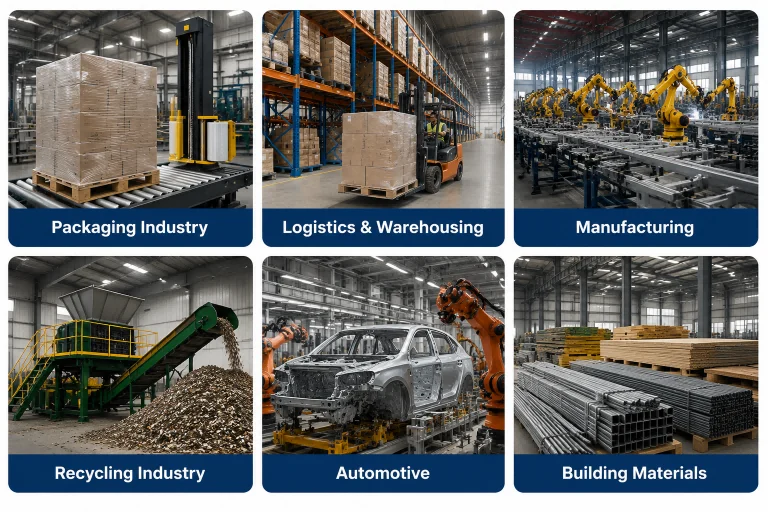
Each industry card connects a common operational challenge with the most relevant FYXFER equipment family. Final configuration is confirmed from project data.
01Repeatable end-of-line protection for palletized products and daily shipping loads.
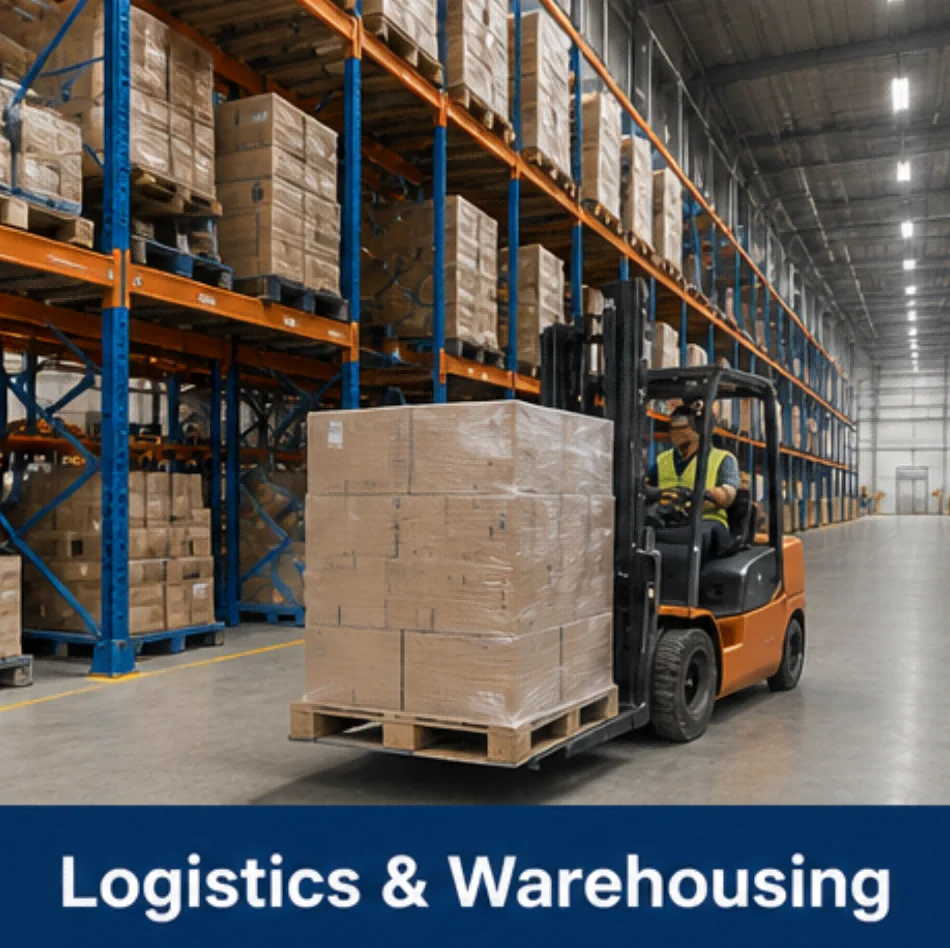 02
02Stable loads for storage, forklift handling, cross-docking, and outbound distribution.
 03
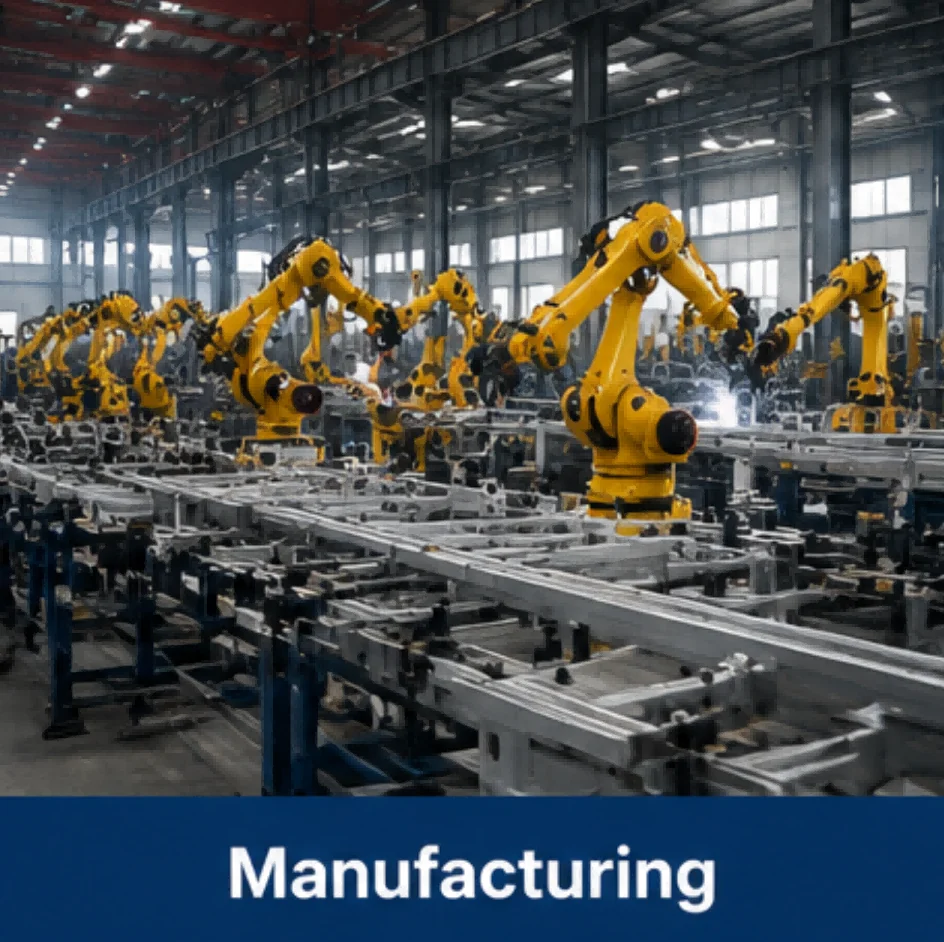
03Packaging finished goods and reducing production waste within factory workflows.
 04
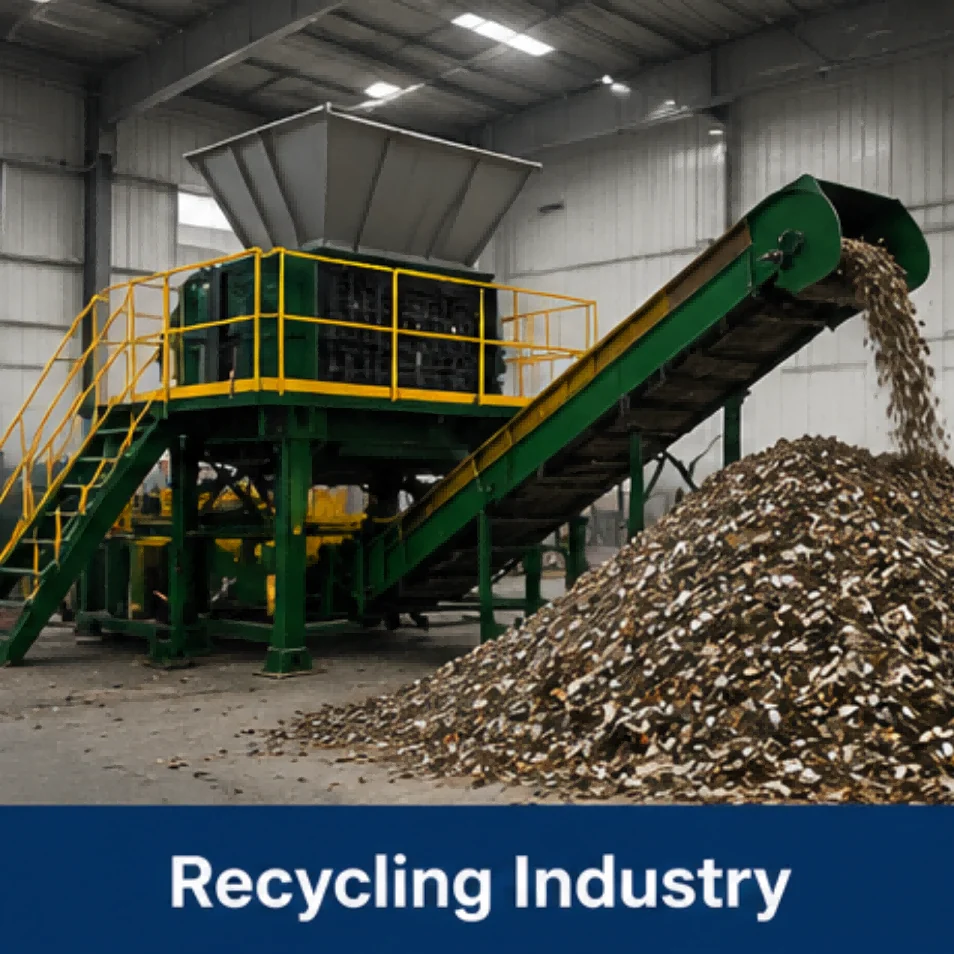
04Size reduction for plastic and industrial waste before sorting, handling, or downstream processing.
 05
05Protecting parts and assemblies while managing packaging and production waste.
 06
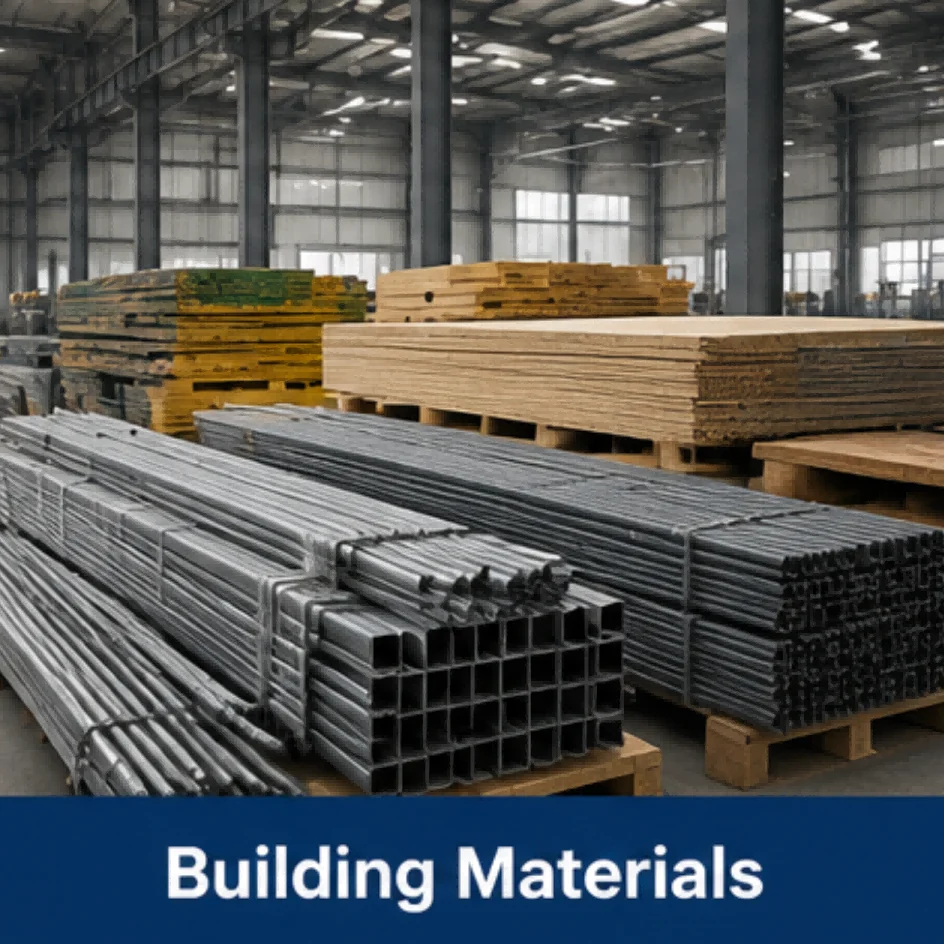
06Wrapping heavy, long, bundled, or irregular products for storage and delivery.
Pallet shape, weight distribution, product fragility, film characteristics, handling route, and daily volume all influence the wrapping configuration.
A useful shredder recommendation depends on material type, feed size, density, contamination, target output, discharge size, and the upstream and downstream process.
The matrix supports early-stage selection. A final proposal should always be based on actual operating data.
| Industry | Typical challenge | Recommended starting point | Key information to provide |
|---|---|---|---|
| Packaging Operations | Consistent pallet protection and film application | Automatic Pallet Wrapper | Pallet size, height, weight, stability, cycles per hour |
| Logistics & Warehousing | Mixed outbound loads and transport stability | Automatic Pallet Wrapper | Load range, daily volume, forklift flow, shipping route |
| Manufacturing | End-of-line packaging and recurring production waste | Pallet Wrapper / Plastic Shredder | Product format, material type, line flow, target output |
| Recycling | Bulky or variable waste requiring size reduction | Plastic Shredder / Heavy-duty Shaft Shredder | Material, feed size, density, throughput, discharge size |
| Automotive & Components | Long or irregular parts and mixed industrial scrap | Orbital Wrapper / Shaft Shredder | Part dimensions, support method, scrap type, volume |
| Building Materials | Long, heavy, bundled, or sharp-edged products | Orbital Wrapper / Pallet Wrapper | Cross-section, length, weight, edges, handling method |
Clear project inputs reduce selection mistakes and help define the machine, options, and integration requirements before production.
Review the industry, workpiece or material, operational objective, and current process.
Confirm dimensions, capacity, final result, site limits, safety, and workflow requirements.
Match the equipment family, machine format, controls, options, and project scope.
Build to the confirmed configuration and support delivery, documentation, and handover.
The best starting point is the operating challenge, supported by real project data.
A configurable pallet wrapper can accommodate a defined range, but minimum and maximum dimensions, load stability, weight, and cycle rate should be confirmed before selection.
Turntable systems are generally used for palletized loads. Orbital systems are better suited to long, bundled, or profile-shaped products that pass horizontally through a ring.
Material composition, maximum item size, density, contaminants, throughput, and required discharge size determine whether a standard plastic shredder or heavy-duty shaft shredder is the better starting point.
Standalone and line-integrated arrangements can be reviewed. Share the existing layout, material flow, controls, available space, and upstream and downstream equipment.
Share the industry, load or material, expected output, and site conditions. FYXFER will help identify a practical equipment starting point.
For production scrap or industrial waste, identify the feed stream, contamination and required downstream result. Use the shredder range to compare suitable starting points for the material review.
No. Two projects in the same industry can have different materials, dimensions, output requirements and handling conditions. Describe the actual process.
Include available space, loading and discharge methods, working height, destination power supply and the equipment before and after the proposed machine.
Describe the conveyors, collection, separation or other interfaces required. The applicable equipment and controls need to be agreed in the project scope.